
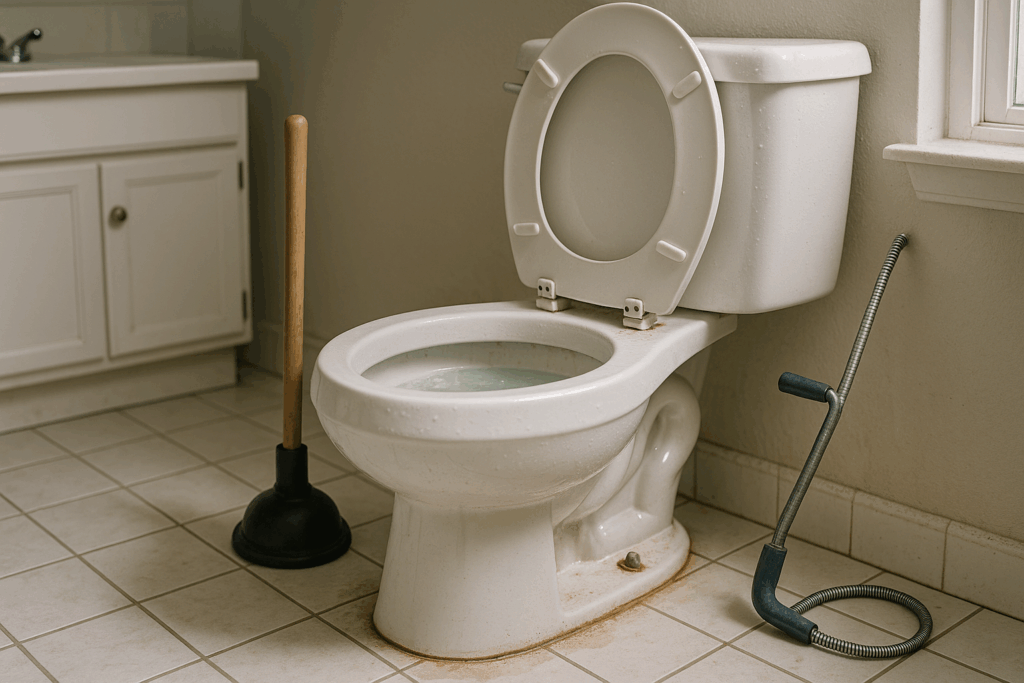
When Toilet Troubles Mean Real Trouble
Our toilets work hard every single day, but most of us ignore them until something goes wrong. A little noise here or a slow flush there can seem harmless, yet some toilet problems are early warning signs of bigger issues. In our town of Palestine TX, we’ve seen many small toilet repair problems turn into damaged floors, ruined subfloors, or even serious sewer line issues because they were left alone too long.
We always tell homeowners: your nose, your ears, and your water bill are your first line of defense. If something smells off, sounds different, or costs more, it is time to pay attention. In this guide, we’ll walk through the toilet troubles you should never ignore, what you can safely try on your own, and when it is time to call a professional plumber. Our goal is to help you protect your home, your budget, and your peace of mind with smart, practical toilet repair steps you can use right away.
Persistent Clogs and Slow Flushing: More Than an Inconvenience
In Palestine TX, we see “just another clog” every week that turns out to be the start of a major backup. A toilet that clogs now and then is normal, but frequent clogs or a slow, weak flush usually means something more serious is going on. It might be a problem in the toilet itself, or it could be a symptom of a developing sewer line issue.
Warning Signs Your Toilet Clog Isn’t Normal
We encourage our neighbors to watch for these red flags around toilet repair issues:
– The toilet needs plunging more than once a month
– The bowl fills up high with water before slowly draining
– Flushing leaves behind toilet paper or waste
– Gurgling sounds come from nearby drains when you flush
– Multiple fixtures (toilet, tub, or sink) are draining slowly at the same time
When more than one fixture is acting up, the issue is often beyond the toilet. In some older parts of Palestine TX, tree roots can infiltrate clay or cast-iron sewer lines, catching toilet paper and causing repeated blockages. Grease, wipes, feminine products, and even “flushable” wipes can also cling to rough pipe walls, slowly building a clog.
We’ve also seen partial blockages formed by foreign objects—small toys, sanitary products, or plastic pieces—that get stuck in the toilet’s trap or the closet bend just beneath it. Ignoring frequent clogs allows pressure to build in the system, which can lead to messy overflows and sewage backing up into your home.
DIY Steps You Can Try Before Calling a Plumber
There are safe, effective things you can try before you reach out for professional toilet repair:
1. Use the right plunger
– Choose a flange plunger (with the extended rubber cup) designed for toilets.
– Make sure there is enough water in the bowl to cover the rubber.
– Press down gently first to expel air, then plunge with firm, controlled motions for 15–20 seconds.
2. Try a toilet auger (closet auger)
– A toilet auger is better than a drain snake for toilets because it has a bend to protect the porcelain and reach through the trap.
– Feed the cable in carefully and crank slowly to break up or hook the obstruction.
3. Avoid chemical drain cleaners
– Harsh chemicals can crack toilet porcelain, corrode pipes, and create health hazards.
– If chemicals do not clear the clog, they remain in the bowl and trap, creating a dangerous situation for anyone who works on the toilet later.
4. Test other drains
– Run water in nearby sinks and tubs. If they drain slowly or gurgle, the problem is likely in the main line, not just the toilet.
If clogs keep coming back despite careful plunging and augering, it is time to schedule a professional inspection. A licensed plumber in Palestine TX can use a sewer camera to see exactly what is happening in your pipes and recommend the right solution before serious damage occurs.
Leaks, Puddles, and Mysterious Water: Protecting Your Floors
Water around a toilet is never something to shrug off. Even a small, occasional puddle can hide a bigger leak that slowly rots your flooring and subfloor. In our experience, some of the most expensive toilet repair jobs in Palestine TX start with “I noticed a little water, but it didn’t seem like a big deal.” Over time, that “little water” can lead to soft, spongy floors, mold growth, and costly structural repairs.
Common Sources of Toilet Leaks You Shouldn’t Ignore
When we’re called to a home for leaking around a toilet, the problem usually falls into one of these categories:
– Leaking at the base
– A worn or crushed wax ring between the toilet and the flange
– Loose closet bolts that no longer hold the toilet tight to the floor
– A damaged closet flange or rotted subfloor causing movement
– Leaking from the tank
– Cracked tank porcelain (visible or hairline)
– Loose tank-to-bowl bolts and worn rubber washers
– A failing flush valve or gasket under the flush mechanism
– Condensation “sweat”
– In humid Texas weather, cold water in the tank can cause heavy condensation that drips onto the floor and looks like a leak.
To tell whether you’re dealing with a true leak or condensation, dry everything off completely and place a few sheets of toilet paper around the suspected area. Check back in an hour or two without flushing. If the paper is wet near the base or under the tank, you likely have a leak. If it’s only wet on the outside of the tank, it may be sweating.
DIY Checks and Fixes for Small Leaks
Before calling a professional, there are practical steps you can try if you’re comfortable with basic tools and careful observation:
1. Gently test for toilet movement
– Grip the bowl and rock the toilet side to side.
– Any noticeable movement means the wax ring seal is at risk or already compromised. This usually requires pulling the toilet and replacing the ring—something many homeowners prefer to leave to a plumber.
2. Tighten closet bolts (carefully)
– Remove the bolt caps at the base and gently tighten each nut.
– Do not overtighten; you can crack the porcelain base. Snug is enough.
3. Check tank bolts and washers
– Turn off the water supply behind the toilet and flush to empty the tank.
– Use a towel to absorb remaining water at the bottom.
– Inspect the bolts and rubber washers connecting the tank to the bowl. If they are rusted or brittle, consider replacing them.
4. Address condensation
– Improve bathroom ventilation with a fan or by opening a window.
– Use a tank insulation kit to reduce sweating in humid months.
If you ever see water staining or soft spots around the base, notice your bathroom floor starting to “give,” or smell mustiness, treat that as urgent. At that point, the damage beneath the surface could already be significant. A professional toilet repair visit can save you from tearing out entire sections of flooring later.
For additional tips on protecting your plumbing and home, the Plumbing-Heating-Cooling Contractors Association offers helpful homeowner resources at https://www.phccweb.org.
Running Toilets, Strange Sounds, and High Water Bills
A toilet that keeps running or makes strange hissing or trickling sounds is more than just annoying. In Palestine TX, where many families watch their utility budgets closely, a single running toilet can waste hundreds or even thousands of gallons of water each month. We often find that a simple, inexpensive toilet repair inside the tank can dramatically cut water bills and conserve water for our community.
What a Running or Noisy Toilet Is Trying to Tell You
Different sounds usually point to different issues in the tank. Here’s what we listen for:
– Constant running water
– The flapper is not sealing properly, allowing water to leak into the bowl.
– The lift chain may be too tight, preventing the flapper from closing fully.
– Intermittent “ghost” flushes
– The toilet randomly refills for a few seconds even when nobody has used it.
– This typically means a slow leak from the tank to the bowl, often due to a worn flapper or flush valve seat.
– Hissing or whistling
– Often caused by a failing fill valve that never fully shuts off.
– High water pressure can make these noises worse.
– Vibrations or “banging” when the tank fills
– May indicate water hammer or loose pipes, often tied to faucet or valve issues elsewhere in the home.
Any of these symptoms are worth investigating. Left alone, they not only waste water but can also contribute to mineral buildup and wear on parts, leading to bigger problems down the road.
Simple Inside-the-Tank Fixes You Can Try
Many running-toilet issues are manageable for a careful homeowner with a bit of patience:
1. Check and replace the flapper
– Turn off the shutoff valve behind the toilet.
– Remove the tank lid and inspect the rubber flapper. If it’s warped, cracked, or slimy with mineral buildup, replace it.
– Make sure the replacement flapper matches your toilet model (universal flappers work for most, but not all).
2. Adjust the chain
– The chain connecting the handle lever to the flapper should have a little slack.
– If it’s too tight, the flapper can’t close; if it’s too loose, the flapper may not open fully.
3. Set the water level properly
– Look for the water level mark on the inside of the tank or on the overflow tube.
– Adjust the float (either a float ball arm or a float cup) so the water shuts off at the correct height.
4. Inspect or replace the fill valve
– If the fill valve continues to hiss or fails to shut off, consider replacing it.
– Most modern fill valves are designed for easy installation with basic tools and come with clear instructions.
If you’re uncertain about any of these steps or your toilet has special parts (common with some water-saving or older models), it may be safest to schedule a professional toilet repair visit. In our Palestine TX service area, we often combine this work with a full plumbing checkup, making sure other fixtures aren’t quietly wasting water, too.
Unusual Smells, Cracks, and When to Call a Pro in Palestine TX
Not all toilet troubles involve visible water or obvious clogs. Sometimes, the most serious problems show up as bad odors, subtle cracks, or changes in how the toilet sits on the floor. Over the years, we’ve seen how these warning signs in Palestine TX homes often point to venting issues, sewer gas leaks, or hidden structural damage. These are situations where timely toilet repair and professional evaluation really matter.
Odors and Cracks You Should Never Ignore
Persistent bathroom smells that don’t go away with cleaning can be important cues:
– Sewer gas odors
– A rotten-egg or sulfur smell can mean sewer gases are escaping.
– This may be due to a failed wax ring, a cracked toilet base, or a problem in the vent stack on the roof.
– Musty or moldy smells
– Often caused by long-term moisture from small, hidden leaks.
– May signal water damage to drywall, baseboards, or subflooring behind and under the toilet.
Cracks in the toilet itself are another serious sign:
– Hairline cracks in the bowl
– These can expand over time and eventually start leaking.
– They may also weaken the structure of the toilet, increasing the risk of sudden breakage.
– Cracks in the tank
– Even fine cracks can leak slowly and may suddenly widen, leading to flooding.
– If you notice dampness on the outside of the tank that isn’t condensation, inspect very closely.
In many cases, once there is a crack in the porcelain, replacement is safer and more reliable than trying to patch it. A broken tank or bowl can release a surprising amount of water in a very short time.
What You Can Check Yourself – and When to Call Right Away
Before you call in a pro, there are a few safe checks that can help you understand what’s going on:
1. Confirm the smell source
– Make sure the odor is truly coming from the toilet area and not from a sink, tub, or floor drain.
– Run water in nearby drains to refill traps that might have dried out, especially in a little-used bathroom.
2. Inspect around the base
– Look for staining, caulk separation, or small gaps where the toilet meets the floor.
– Gently push with your foot; any wobble indicates a problem with mounting, flange, or underlying floor.
3. Visually inspect for cracks
– Use a bright flashlight to scan along the base, sides, and back of the toilet.
– Check the underside of the tank as well as where the tank meets the bowl.
You should call a professional plumber promptly if:
– You smell strong sewer odors that don’t dissipate
– The toilet rocks or moves when you sit or touch it
– You discover visible cracks, even small ones
– Multiple toilets or drains are gurgling or backing up at the same time
In these cases, a licensed plumber can evaluate the full system, from the toilet to the venting and main sewer line, and provide a safe, lasting toilet repair or replacement. Our passion is helping homeowners in Palestine TX catch these problems early, protecting both health and property.
When you’re ready to get help from a local professional team that understands Palestine TX homes and plumbing systems, you can reach out to us directly at https://palestineplumbing.com/.
We’ve seen just about every toilet trouble you can imagine in Palestine TX, and we know how stressful it can feel when something goes wrong in such an essential part of your home. The key is not to ignore the warning signs. Frequent clogs, slow flushing, leaks or puddles, running water sounds, unusual odors, and visible cracks all point to issues that deserve attention. Many minor problems can be handled with simple, careful DIY steps, from plunging and augering to adjusting tank components and tightening loose bolts.
But when the same issue keeps coming back, when multiple fixtures start acting up, or when you see or smell signs of deeper damage, it’s time to call in a trusted professional for thorough toilet repair. Acting early can save you money, prevent damage to floors and walls, and keep your family safe from hidden water and sewer gas problems.
If you’re dealing with any of these toilet troubles or just want the peace of mind that everything in your bathroom is working the way it should, we’re here to help. Our team proudly serves Palestine TX with prompt, friendly, and reliable plumbing service. Visit us today at https://palestineplumbing.com/ to schedule service, ask a question, or get fast help with your toilet repair needs.