
Stop Stressing Over Plumbing Installs: A Simple Guide for Palestine TX Homeowners
Owning a home in Palestine TX is rewarding, but plumbing installation projects can turn that pride into panic quickly. We see it all the time: new fixtures that don’t fit, surprise leaks behind walls, and water bills that suddenly skyrocket after a DIY remodel. The good news is that most of this stress is avoidable with a clear plan, the right information, and a little guidance from pros who do this every day.
In this simple homeowner guide, we walk through how to approach any plumbing installation with confidence—from choosing fixtures to knowing when to call a licensed plumber. Our goal is to help you protect your home, your budget, and your peace of mind so plumbing work in Palestine TX feels manageable instead of overwhelming.
Planning Your Plumbing Installation the Smart Way
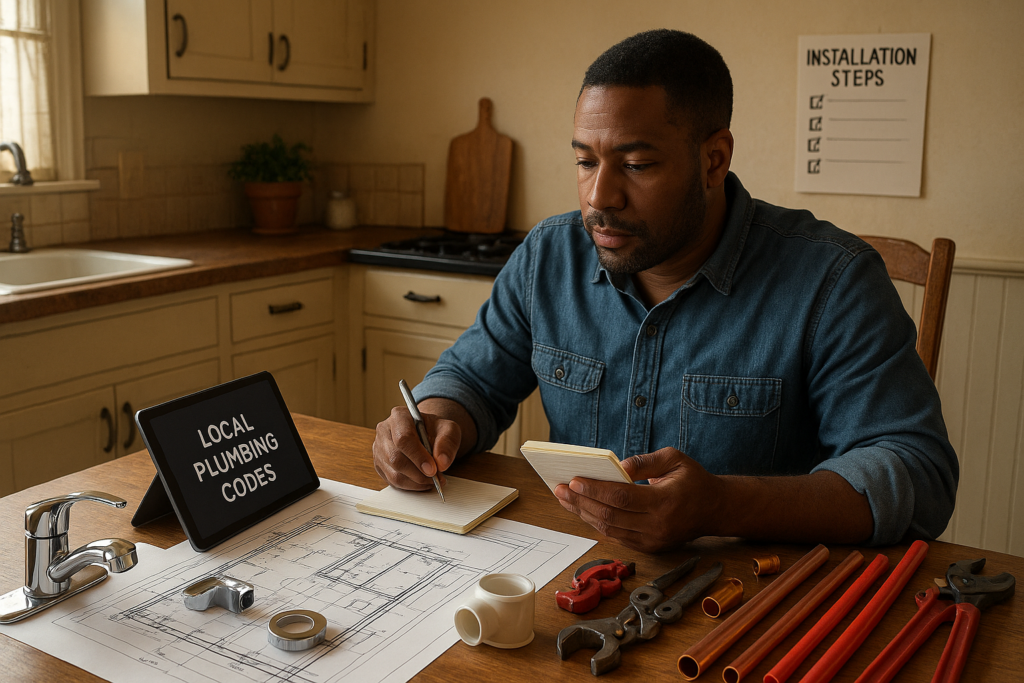
Before a single pipe is cut or a faucet is unboxed, the most important work happens in the planning stage. When we help homeowners in Palestine TX with a plumbing installation, we always start with clear goals, accurate measurements, and a realistic budget. Skipping any of these steps almost always leads to delays, extra costs, or code problems down the road.
First, we ask homeowners to define the “why” behind the project. Are you updating an outdated bathroom, adding a new laundry room, or replacing aging galvanized pipes? Each goal has its own requirements for pipe size, drainage, venting, and fixture placement. A simple faucet swap is very different from moving a shower across the room, even though both seem like “basic plumbing.”
Next, we take careful measurements and assess existing conditions:
– Where do the current supply and drain lines run?
– Is there enough space behind walls or under floors for new pipes?
– Are there structural limitations, like beams or concrete slabs, in the way?
– Is your water pressure adequate for the new fixtures you want?
We also check for signs of past issues—water stains, mold, or previous patch jobs. These clues tell us whether your plumbing system can handle new work or needs some upgrades first. This planning step is especially important in older Palestine TX homes, where original plumbing might not meet modern demands.
Budgeting realistically is another key part of planning. We encourage homeowners to create three categories:
– Must-haves: Safety upgrades, code-compliant piping, and essential fixtures.
– Nice-to-haves: Premium faucets, luxury shower heads, or decorative sinks.
– Contingency: 10–20% set aside for surprises inside walls or under floors.
By separating essentials from upgrades, you can adjust quickly if hidden issues appear. That way, you don’t have to sacrifice safety or reliability just to stay on budget.
Finally, we always review local codes and permit requirements. Even if a project seems minor, some plumbing installation work in Palestine TX requires permits and inspections. Planning for this upfront prevents headaches and inspection failures later.
Questions to Answer Before Any Plumbing Work Starts
When we meet with homeowners, we walk through a short checklist that keeps everything on track:
– What is my total budget, including labor, materials, and a contingency?
– Am I changing the location of any fixtures or just updating them in place?
– Do I know the brand and model of the fixtures I want, and have I verified compatibility?
– Is my water heater sized correctly for any added bathrooms or fixtures?
– Have I checked whether permits or inspections are required?
If you can clearly answer these questions before a plumbing installation starts, you’re already far ahead of most rushed DIY projects. Careful planning might not feel exciting, but it’s the part that saves you the most time, money, and stress.
DIY vs. Professional Plumbing Installation: Knowing Where to Draw the Line
We respect handy homeowners. Our town is full of people who know their way around tools and like to take charge of projects. But when it comes to plumbing installation, not every job is a good candidate for DIY. One of the biggest decisions you’ll make is when to do it yourself and when to call a licensed plumber in Palestine TX.
For simple, accessible tasks, DIY can be perfectly reasonable:
– Replacing a faucet on an existing sink
– Swapping out a toilet with a similar model
– Installing a new shower head or handheld sprayer
– Replacing supply lines or shutoff valves under a sink
These jobs usually involve surface-level work, basic tools, and minimal risk. As long as you shut off the water, follow manufacturer instructions, and test carefully for leaks, you can often handle these with some patience and care.
However, we start to see problems when homeowners tackle projects that involve:
– Cutting or rerouting water lines inside walls or ceilings
– Modifying drain lines or vent stacks
– Converting from electric to gas water heaters
– Running new plumbing to additions, garages, or outdoor kitchens
– Tying into sewer lines or repairing main drains
These projects can trigger code requirements, structural concerns, and major leak risks. A small mistake behind a wall can go unnoticed for weeks and result in mold, rot, and expensive repairs. We’ve opened walls in Palestine TX homes and found DIY connections held together with tape, mismatched fittings, or unapproved materials.
Signs You Should Call a Professional Plumber
Over the years, we’ve learned a few red flags that mean it’s time to bring in a pro—before things get out of hand. You should strongly consider hiring a licensed plumber for your plumbing installation if:
– You’re unsure what size pipe or fitting is required.
– You need to cut into a main water line or drain line.
– You smell gas near a water heater or appliance.
– You’re changing the layout of a bathroom or kitchen.
– You’re not confident about local code requirements.
A professional plumber doesn’t just “make the connection.” We plan the route, size the lines properly, secure everything to prevent movement, and pressure-test the system. We also help you avoid using the wrong materials—for example, connecting dissimilar metals without proper fittings, which can cause corrosion.
If you’re on the fence, there’s a middle ground. Many homeowners in Palestine TX handle straightforward parts of the job—like demolition, fixture selection, or patching walls—while we handle the critical plumbing installation work. This team approach keeps costs down while protecting the parts of your home most vulnerable to water damage.
Key Plumbing Installation Areas: Kitchens, Bathrooms, and More
Not all areas of your home carry the same plumbing risk. When we walk through a house in Palestine TX, we pay special attention to kitchens, bathrooms, laundry rooms, and outdoor lines. Each space has its own typical pitfalls and best practices that can make or break a plumbing installation.
In kitchens, the main trouble spots are sinks, dishwashers, ice makers, and garbage disposals. A new farmhouse sink, for example, might be deeper than your old sink, which can throw off the height of the drain and garbage disposal. If the drain line is too high, water might sit in the sink or back up into the dishwasher. When we install new kitchen plumbing, we:
– Verify sink depth and cabinet space before ordering fixtures.
– Check that drain height is compatible with the new sink and disposal.
– Install a proper air gap or high loop for the dishwasher drain.
– Use braided stainless supply lines to reduce leak risk.
Bathrooms bring their own challenges. Showers, tubs, toilets, and vanities all have to share limited space while draining correctly and staying well-vented. With bathroom projects, we pay close attention to:
– Slope of shower and tub drains (too flat and water stands, too steep and water outruns debris).
– Proper wax ring or sealing method for toilets.
– Venting requirements to prevent gurgling and sewer gas odors.
– Placement of shutoff valves for easy future repairs.
Laundry rooms are often an afterthought, but a leaking washing machine hose or poorly installed drain can cause major damage. When we handle laundry plumbing installation in Palestine TX homes, we recommend:
– Replacing old rubber hoses with braided stainless lines.
– Installing a drain pan under upstairs or second-floor washers.
– Confirming the standpipe height and trap configuration meet code.
Outdoor and Whole-Home Considerations
We also remind homeowners not to overlook outdoor plumbing and their main water supply. Hose bibs, irrigation lines, and outdoor kitchens in Palestine TX all face temperature swings and potential freezing. During installations we:
– Use frost-proof hose bibs where appropriate.
– Insulate exposed lines in vulnerable areas.
– Install proper shutoff valves so exterior lines can be drained if needed.
On a whole-home level, we often evaluate the main shutoff valve and pressure regulator. Many homeowners don’t know where these are until there’s an emergency. During a larger plumbing installation, we’ll:
– Confirm the main shutoff works properly and is accessible.
– Check water pressure to ensure it’s within safe range (typically 40–80 psi).
– Recommend a pressure-reducing valve if needed to protect pipes and fixtures.
By thinking of your plumbing system as a connected whole instead of isolated fixtures, we can design installations that work smoothly together and reduce the risk of leaks, clogs, or noisy pipes down the line.
Materials, Codes, and Long-Term Reliability in Palestine TX
One of the most confusing parts of any plumbing installation for homeowners is materials. Should you use copper, PEX, CPVC, or something else? What about fittings, valves, and sealing methods? We guide our Palestine TX customers toward materials that balance cost, durability, and local code requirements.
Copper has been a long-time standard for water lines. It’s durable and resists UV damage, but it can be more expensive and sensitive to water chemistry. PEX (cross-linked polyethylene) has become very popular because it’s flexible, easier to install, and resistant to freeze damage when installed properly. CPVC is another option for hot and cold water, but it requires specific glues and careful handling.
For drain, waste, and vent lines, PVC is common, but the size, slope, and connection methods are critical. We see many DIY jobs where:
– The wrong glue or primer was used.
– Pipes were not properly supported.
– Slope is too flat or too steep.
– No cleanouts were installed for future maintenance.
We always follow manufacturer instructions and local building codes because they are designed to prevent leaks, blockages, and premature failure. Palestine TX follows plumbing codes that specify:
– Minimum pipe sizes for fixtures and main lines.
– Proper venting for drains.
– Backflow prevention for certain connections.
– Requirements for water heater safety valves and drip pans.
How We Build for the Long Haul
A big part of our philosophy is thinking beyond “Will this work today?” to “Will this still be safe and reliable ten years from now?” When we plan a plumbing installation, we focus on:
– Accessibility:
– Placing shutoff valves where they can be reached quickly.
– Avoiding burying critical connections in inaccessible spaces.
– Compatibility:
– Using fittings that prevent corrosion between dissimilar metals.
– Matching pipe sizes to fixture demands and water pressure.
– Future upgrades:
– Leaving room for potential water filter systems or softeners.
– Designing layouts that can accept additional fixtures later with minimal disruption.
We also remind homeowners that even the best installation needs periodic inspection. Checking under sinks, around toilets, and near water heaters a few times a year can catch small seepage before it becomes visible damage.
If you want to explore some general plumbing best practices beyond our local area, resources like the Plumbing-Heating-Cooling Contractors Association offer helpful insights at https://www.phccweb.org/. For local, code-compliant work in Palestine TX, though, nothing replaces having a licensed plumber review your specific situation and layout.
Reducing Stress Before, During, and After Your Project
We’ve learned that the technical side of plumbing installation is only half the battle. The other half is helping homeowners feel calm and informed from start to finish. In Palestine TX, we’ve seen projects go smoothly—not because nothing unexpected happened—but because there was a clear plan, open communication, and realistic expectations.
Before work starts, we recommend that homeowners:
– Take photos of all areas where work will be done.
– Clear out cabinets, closets, and pathways for easy access.
– Confirm where pets will be during the project.
– Ask for a written scope of work and timetable.
During the project, we encourage open communication. If something unexpected turns up inside a wall—a hidden junction, old galvanized pipes, or unvented drains—we explain the issue, outline options, and talk about cost and timing before moving forward. This keeps you in control and prevents surprises at the end.
After a plumbing installation is complete, we always test thoroughly. Homeowners can follow a similar approach on their own:
– Run each fixture for several minutes and check for leaks.
– Flush toilets repeatedly and watch the base carefully.
– Check for any slow drips under sinks or at shutoff valves.
– Monitor water bills over the next month to catch hidden leaks.
Simple Habits to Protect Your New Plumbing
Once your new system is in place, a few simple habits can dramatically extend its life:
– Avoid chemical drain cleaners that can damage pipes and fittings.
– Use hair catchers in shower and tub drains.
– Don’t flush wipes, even “flushable” ones; they can still clog lines.
– Exercise shutoff valves once or twice a year so they don’t seize up.
– Have your water heater checked and flushed periodically as recommended.
These practices keep your lines clear, your fixtures functioning, and your plumbing installation in top shape for years. It’s much easier to maintain a healthy system than to rescue a neglected one.
Our passion is helping homeowners in Palestine TX feel confident rather than anxious about the pipes and fixtures that keep daily life running. With the right planning, smart choices, and a reliable local plumber on your side, you don’t have to stress every time a project involves water lines or drains.
When you’re ready to talk through an upcoming plumbing installation, get a second opinion on a quote, or have us inspect an older system before you remodel, we’re here to help. You can reach our team and learn more about our services at https://palestineplumbing.com/. Let us take the pressure off your next project so you can enjoy a safer, more comfortable home.